Ijburg Case Study
A neighbourhood built on water, because the city ran out of land
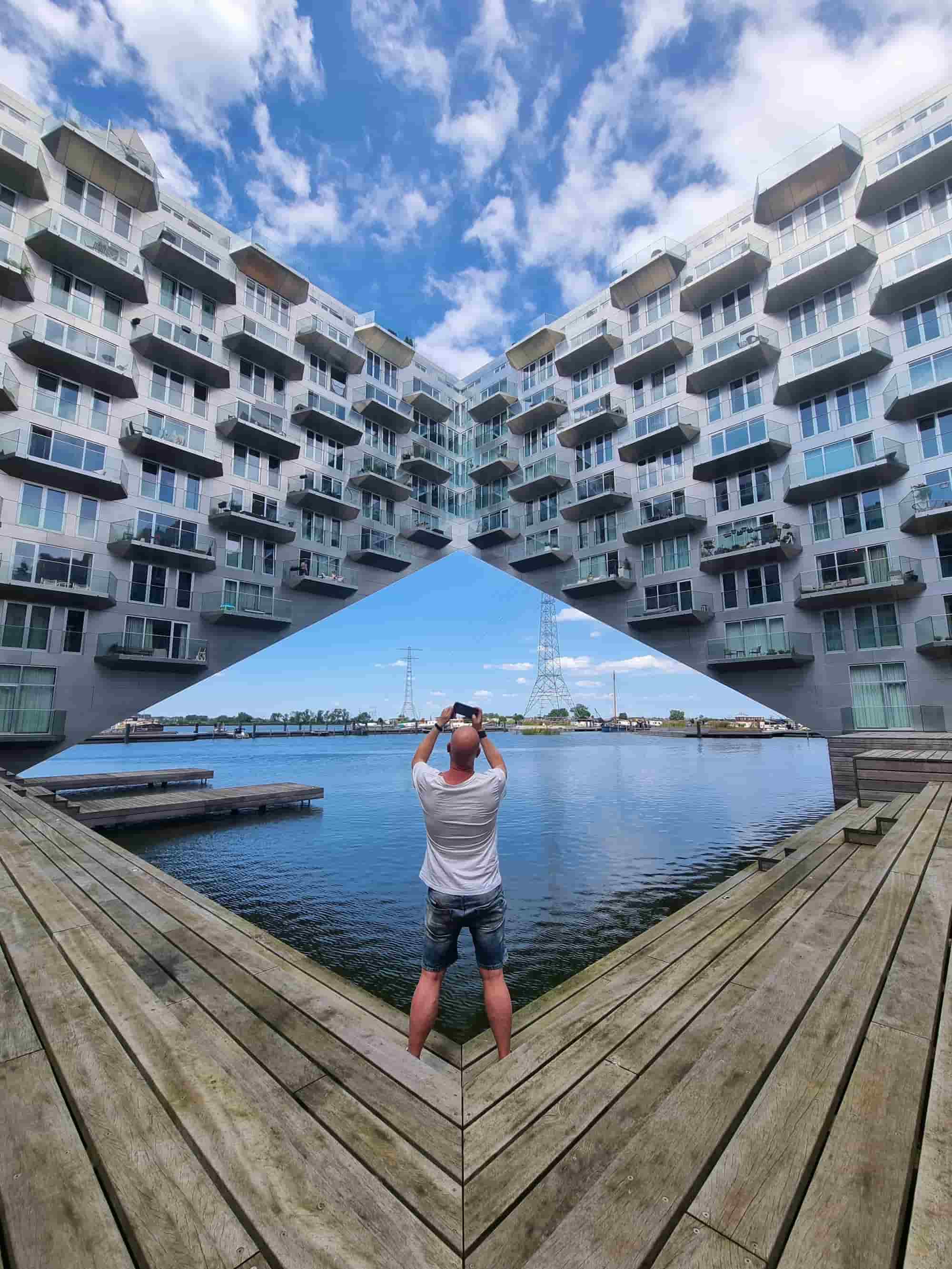
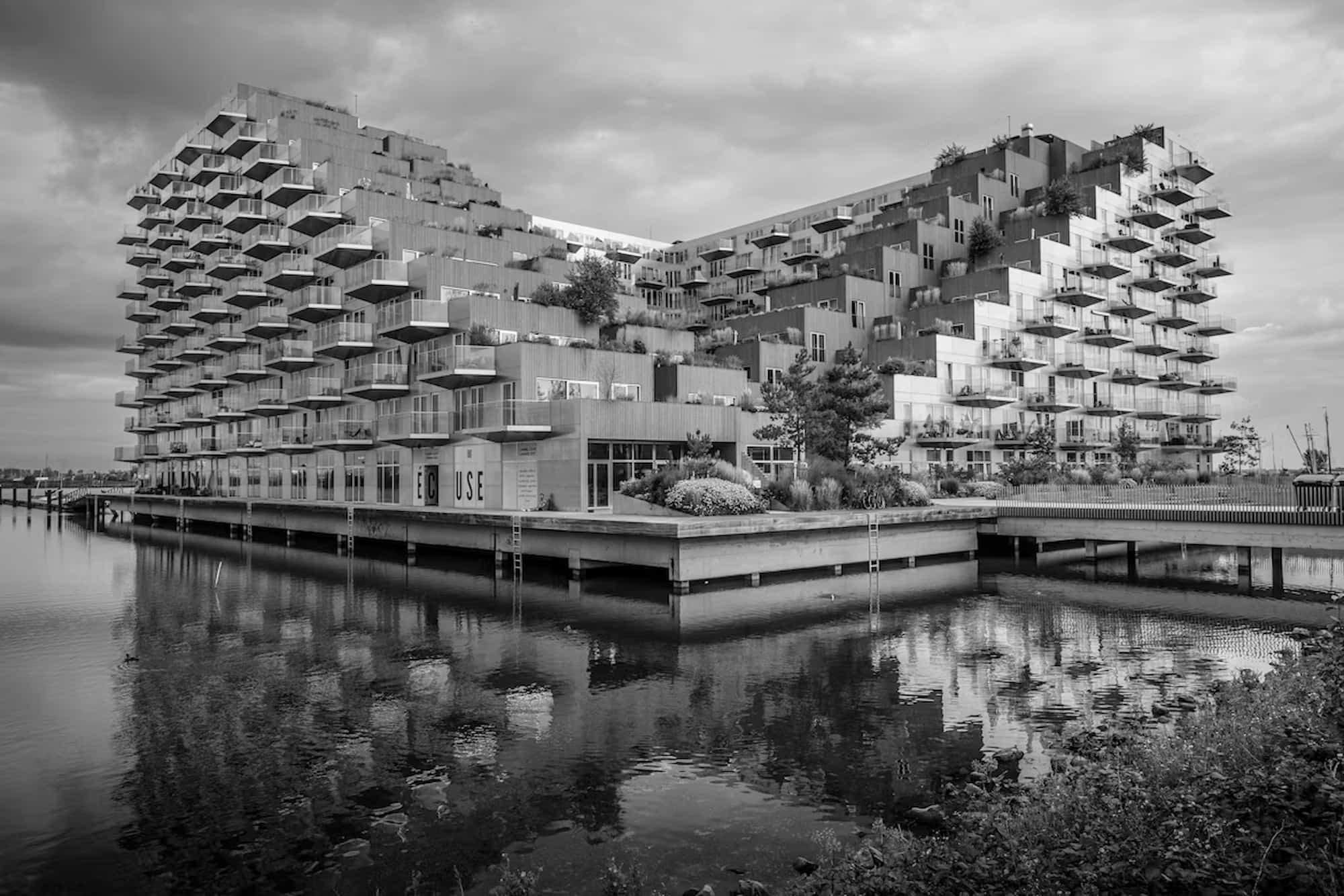
Amsterdam needed housing near the centre and had nowhere left to build. So it built on the lake. IJburg is a district of eight man-made islands, home to a growing community, and one of the boldest urban experiments in Europe.
The islands were raised from the water by laying down sand, layer upon layer, in what the Dutch call the pancake method. Then there is the floating neighbourhood, where homes sit on concrete bases and jetties replace pavements. Each house plugs into water, heat and electricity through those jetties, which means it can be unplugged, floated somewhere else, and plugged back in. Students can walk through a whole street of them.
It is a rare chance to see how a city solves a genuinely difficult problem: where do you put people when the land runs out, and how do you do it without losing the water you need for flood defence?
A local guide brings out the engineering, the planning decisions and the trade-offs, so your students see a working answer rather than a theory.